Investing in Vietnam’s High-End Hospitality: Trends in Luxury Resort Real Estate and Eco-Tourism
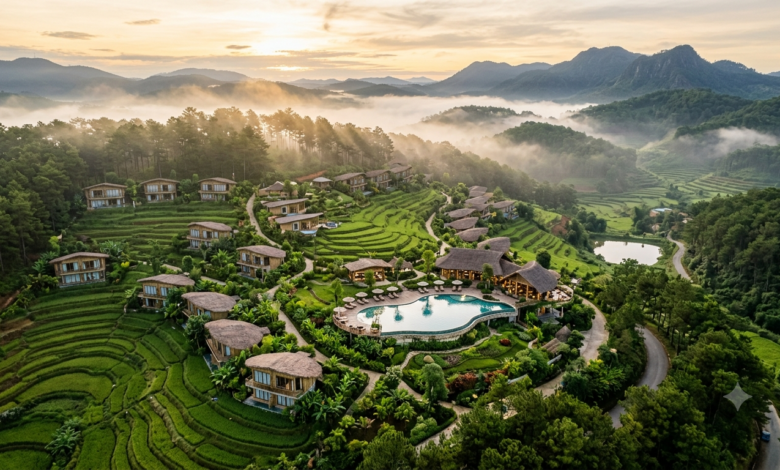
The surge in international high-net-worth tourism has positioned Vietnam as an attractive frontier for commercial hospitality investment and luxury real estate developments. From branded residences managed by international hotel chains to sustainable eco-luxury retreats, the country’s hospitality market is demonstrating high yields driven by premium room rates and rising foreign direct investment (FDI).
Key Growth Drivers in the Luxury Hospitality Sector
- Surging Demand for Wellness and Eco-Resorts: Modern luxury tourists prioritize holistic health and sustainability. Investments are heavily leaning toward zero-carbon resorts in places like Da Lat and Sa Pa that feature organic dining and private medical spa centers.
- Expansion of Branded Real Estate Assets: Major global hotel brands are entering partnerships with local developers to create branded villas and beachfront condos, offering investors attractive rental pool programs and strong capital appreciation.
- Infrastructure Upgrades Fueling High-Yield Corridors: New international airport expansions and highway corridors across Da Nang, Nha Trang, and Van Don are dramatically shortening transfer times, increasing occupancy rates for remote luxury properties.
Navigating Regulatory and Investment Frameworks
Capitalizing on Vietnam’s hospitality boom requires understanding local land-use rights, corporate structuring, and strategic joint ventures. Securing prime beachfront or mountain parcels alongside sustainable development certifications ensures long-term asset value and compliance with evolving foreign investment laws.