The Ultimate Guide to Luxury Tourism in Vietnam: A 2026 Perspective on High-Growth Travel Trends
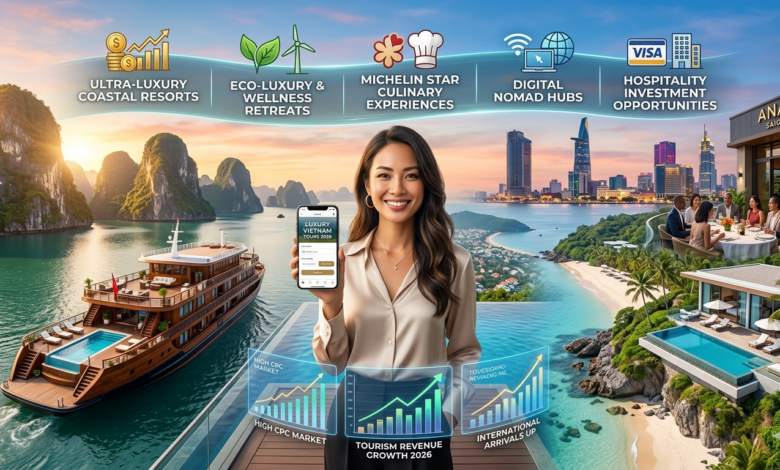
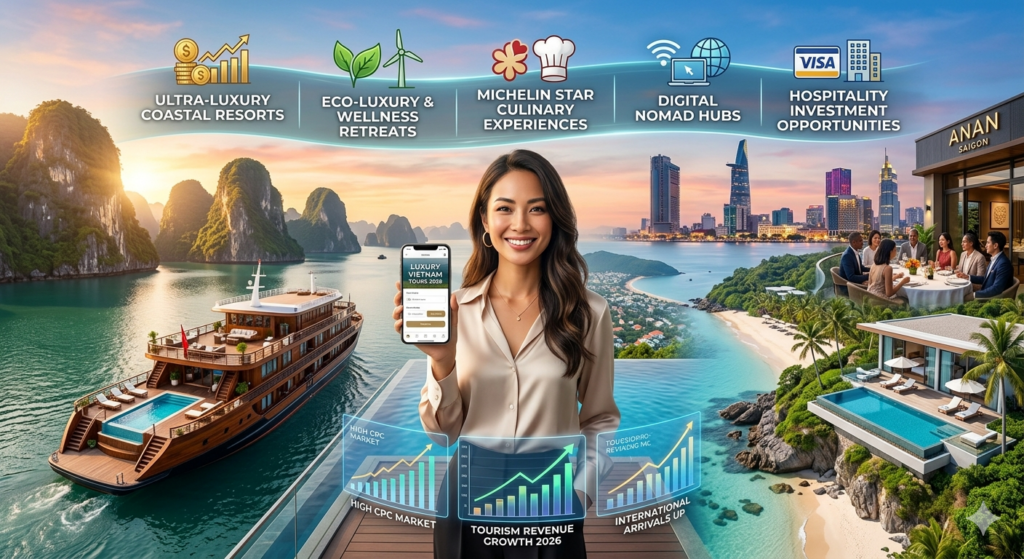
Vietnam’s tourism landscape has undergone a radical transformation. No longer just a stop on the “pancake trail,” the country has positioned itself as a premier destination for eco-luxury, wellness retreats, and digital nomad hubs. For investors and travelers alike, understanding the shifts in the Vietnamese market is key to unlocking its full potential.
1. The Rise of the “Ultra-Luxury” Coastal Sector
Regions like Da Nang, Nha Trang, and Phu Quoc have seen a massive influx of international hotel brands. We are seeing a shift from standard five-star resorts to “ultra-luxury” private villas that cater to privacy-conscious travelers.
- Why it’s High CPC: Keywords related to “Luxury Resorts in Phu Quoc” or “Private Jet Charters Vietnam” attract high-spending demographics and premium hospitality ads.
- Key Destination: InterContinental Danang Sun Peninsula Resort remains a benchmark for architectural brilliance and high-end service.
2. Sustainable and Regenerative Travel
As global travelers become more eco-conscious, Vietnam’s northern highlands—specifically Sapa and Ha Giang—are leading the way in “slow travel.”
- Eco-Lodges: High-end eco-lodges are replacing mass-market hotels, focusing on carbon neutrality and local community integration.
- Investment Opportunity: Sustainable tourism infrastructure is currently receiving significant tax incentives from the Vietnamese government.
3. The Culinary Renaissance: Beyond Pho and Banh Mi
With the introduction of the Michelin Guide in Vietnam, the culinary scene has become a primary driver for tourism. Foodies are now booking “Culinary Pilgrimages” to Hanoi and Ho Chi Minh City to dine at Michelin-starred establishments like Anan Saigon.
- High-Value Niche: “Michelin Star dining Vietnam” is a high-intent keyword for affluent tourists planning their itineraries.
4. Digital Nomad Visas and Infrastructure
Vietnam has modernized its visa policies to attract long-term stays. With high-speed 5G rollout across major cities and a cost of living that allows for a “champagne lifestyle on a prosecco budget,” cities like Da Lat and Hoi An are becoming top-tier remote work destinations.